Preparing for spring 2026 grazing after a tough UK winter
A tough winter tested UK grazing systems. Here’s what farmers learned and how they’re preparing their cattle and pastures for the 2026 spring season.

Winter is (finally) behind us.
This was no ordinary winter, and as the days get longer, the sun and weather start to behave themselves again. It's the perfect time to pause and reflect on what was a proper season of trials and tribulations for many farmers in the UK.
The start of 2026 was rough, with relentless rain causing waterlogged fields, swollen rivers and on-going flood alerts. In some areas rainfall exceeded 110% of the seasonal average before the winter had even concluded. Many livestock farmers brought their herds indoors earlier than planned, management systems stalled and ground conditions continued to deteriorate. What should have been a normal winter turned into pure damage control for many.
As Andrew McMillan from the Isle of Bute put it:
“The winter was pretty dark and wet with no forecast of sun, December and January were pretty much the same.”
Experiences with virtual fencing, particularly with our Monil collar, varied depending on the grazing types.
Extensive vs Intensive Grazing:
Farmers who run larger extensive systems generally saw steady performance throughout the season because their cattle were not interacting with the fence boundary as frequently, saving the battery on the collars when sunlight was slim to none.
On the other hand, our tighter strip grazers required a bit more forward planning during the low-light weeks in December. This was definitely a planning and usage story.
Extensive Grazing
Farms running larger grazing areas with fewer boundary adjustments saw steady winter performance. When the cattle have more space to graze and the virtual boundaries aren't being updated as often, collar activity remains relatively low. Fewer fence interactions helps during periods of reduced solar activity. Even in wet January, our extensive grazers reported little disruption.
For Andrew McMillan on the Isle of Bute, the occasional mid-winter charge will become part of his routine herd check:
“The mid-winter charge is a wee bit inconvenient, but it’s a small sacrifice for a really big benefit. It’s actually a really good way to see the cattle up close and put a hand on them to make sure they’re healthy. I’m away five out of seven days a week. I can’t physically see the cows every single day. Using the collars as a management tool, I can look at the app and see where they are and that they’re moving about and all alright. When I do see them I’ve a good idea where they are. I don’t have to spend ages looking for them. I can go straight to them.”

Intensive and Strip Grazing
Intensive systems operate differently due to smaller paddocks, frequent boundary moves, and tighter control of forage utilisation. Precision means more collar activity, especially when the cattle are learning the fresh boundaries. Over a course of a week, the higher interaction increases the overall system demand. With dark and wet stretches as we recently saw it means December and January will require more attention.
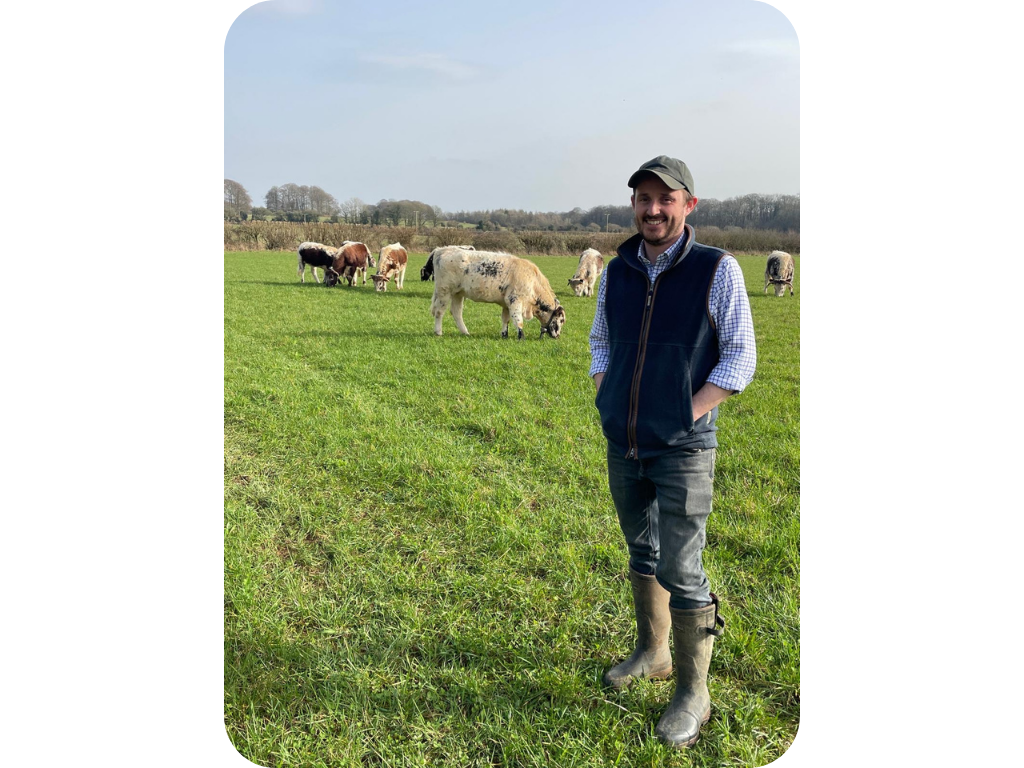
As Ed Franklin, a strip grazer in Sapperton, UK, explained:
“Winter strip grazing probably isn’t the way for us to go, given our scale and livestock numbers but once we’re into spring with longer daylight hours, I’m confident the collars will work well through the main grazing season.”
And that really sums it up. Winter didn't bring weakness, it really just highlighted the need of matching grazing intensity to seasonal conditions, especially a year like this when the rain simply did not stop.
So what does this mean for collar batteries?
Battery performance in solar-powered collars is closely linked to daylight and seasonal conditions. During periods with longer daylight hours, collars generally maintain strong battery levels thanks to consistent solar charging.
As daylight hours shorten through autumn and into winter, solar charging naturally decreases. During the darkest months, with shorter days and more cloud cover, collars may require a little more attention as charging conditions are reduced.
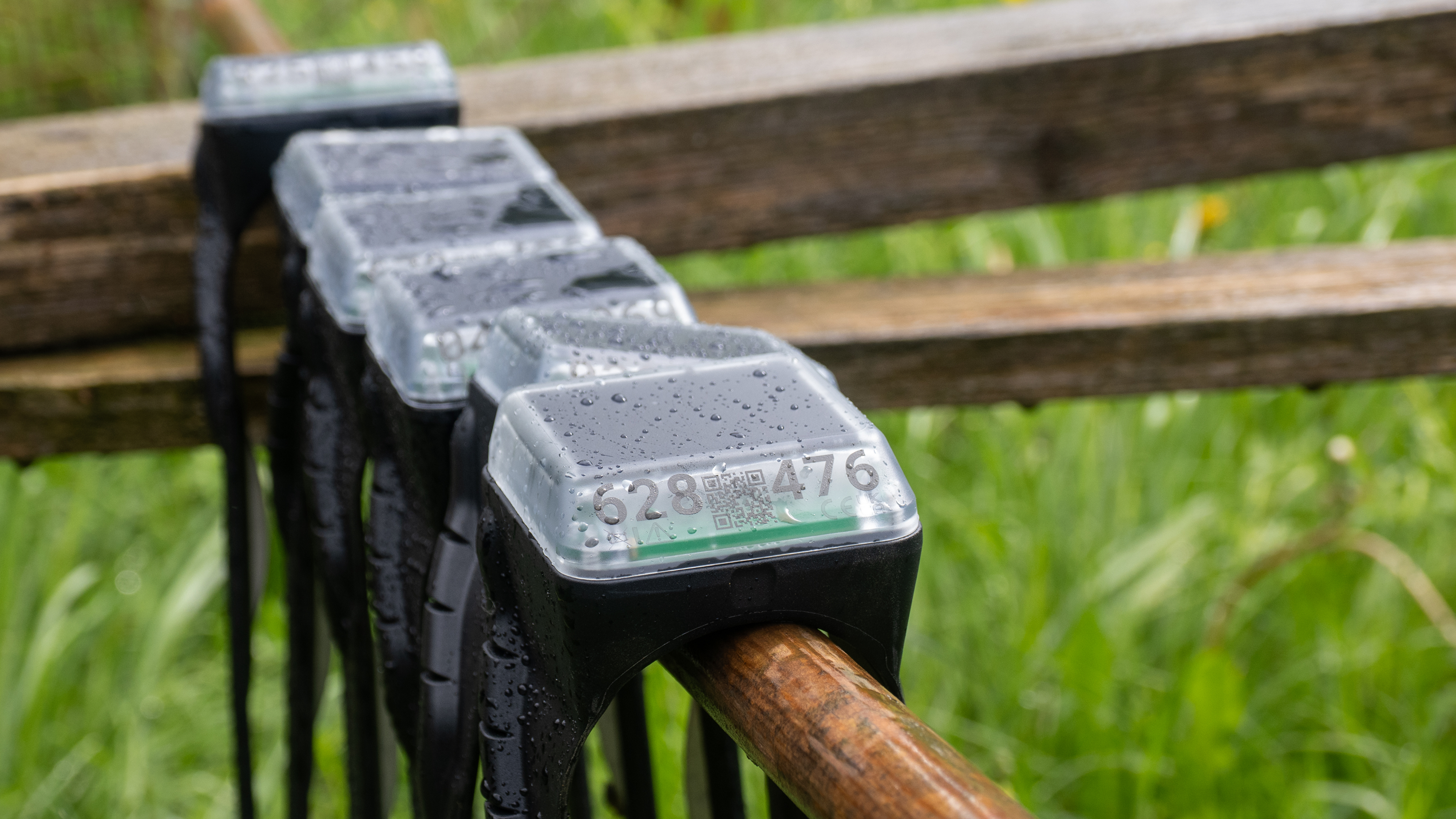
When daylight hours begin to increase again toward late winter and early spring, solar charging improves and battery levels begin to recover.
For some farmers, the difference even a few sunny days can make is noticeable. As Ed Franklin from Sapperton, UK explains:
“In February one collar was down to about 7%. After three sunny days it had charged back up to around 40%, which shows how much difference the daylight makes.”
It is also worth noting that farmers in exposed regions, including Scotland, continued to use collars successfully despite challenging weather conditions.
Because winter brings the lowest solar input, it can be helpful for farmers, particularly those running intensive or strip grazing systems to plan ahead during the darkest months. A one-time top-up charge during this period can provide extra reassurance and ensure collars continue operating smoothly.
Looking ahead
Thankfully, spring is here so the winter worries are behind us. The biggest takeaway from our farmers was to plan ahead. Plan which type of grazing will work for you, especially when the weather takes a turn for the unexpected.
From now on your collars should perform well. From the data, March through October has high battery averages across the UK. This period is when the grazing season officially starts and the collars operate seamlessly in every grazing plan.
After a winter like that, sunshine feels good!☀️
The season is fast approaching. Make 2026 the year you get started with virtual fencing! Speak to Sally or Matt, our UK representatives.

They'll connect you with a real farm system running similar to yours. Whether intensive or extensive, they can walk you through what having Monil on your farm will be like.
Leave your details below and they’ll be in touch shortly.