Get in touch
Whether you’re ready for a quote, checking availability in your state, or need help with your collars, we’ll get you to the right place.
What can we help you with?
Choose the right path and we’ll get you to the right team.
Meet the US team
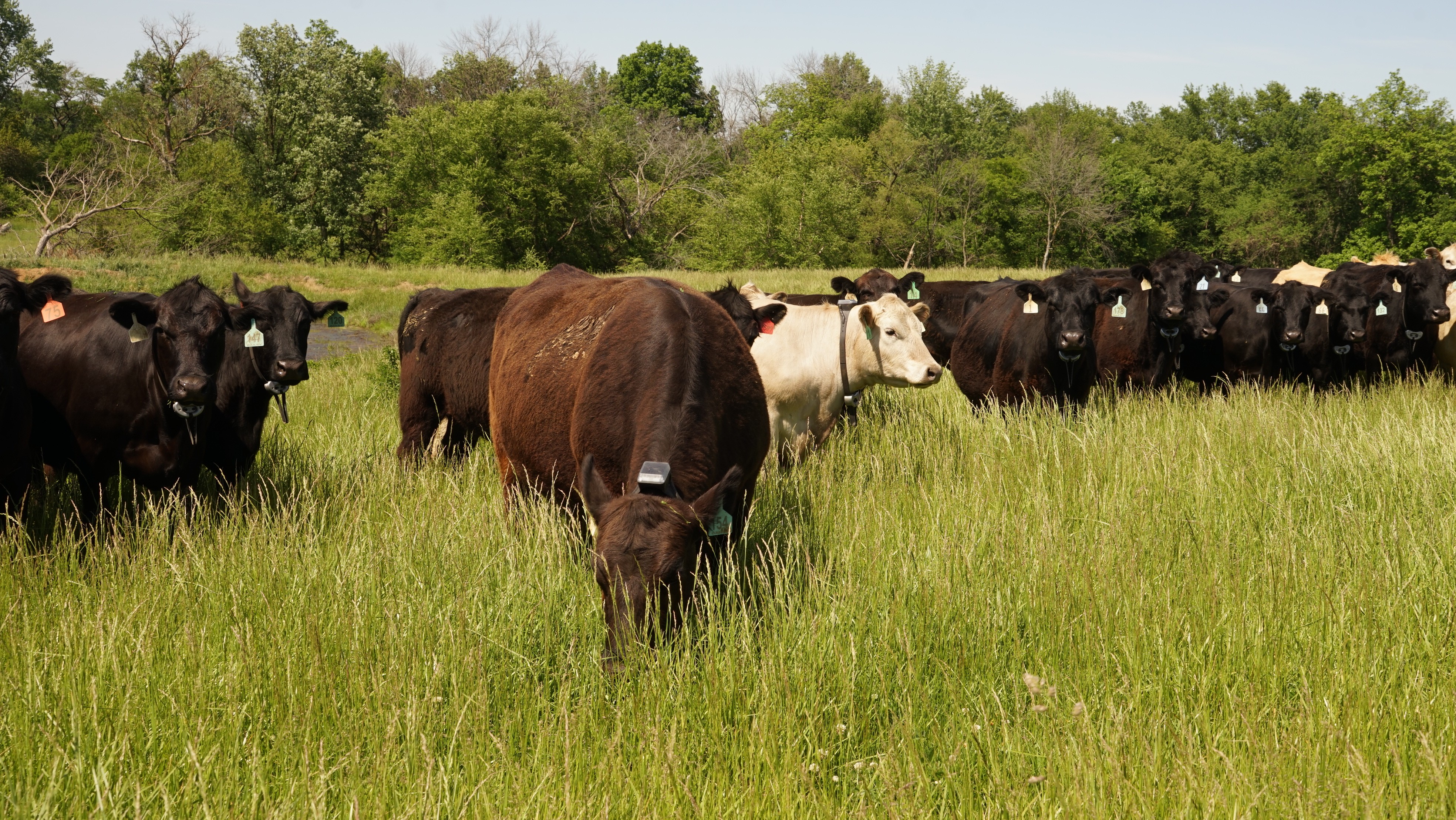
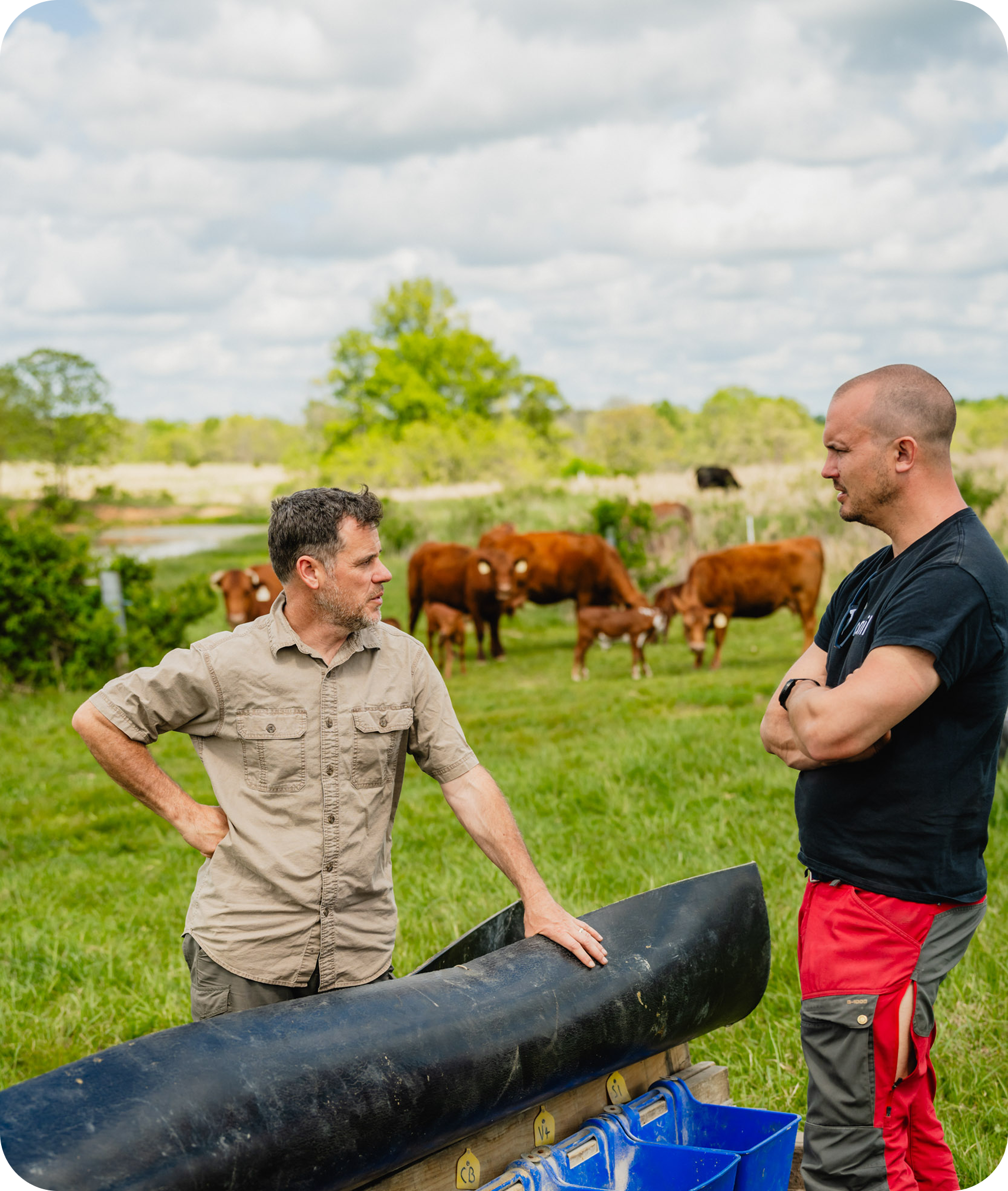
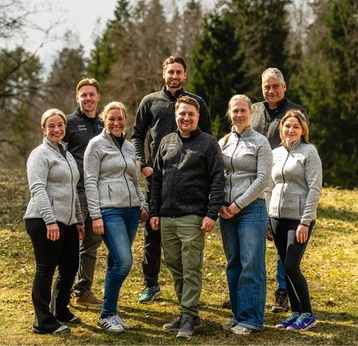
Our US team is here to help you find the right Monil setup for your operation. With backgrounds in agriculture and firsthand experience working with cattle, we provide practical advice, honest answers and support every step of the way.
Leadership



Product
 Christoffer GrindheimProduct Manager
 Erik OrreSupply Chain Manager
 Erik Falk-PetersenHead of Industrial design & Mechanics – R&D
 Roald StormSenior Software Engineer – R&D
US Sales
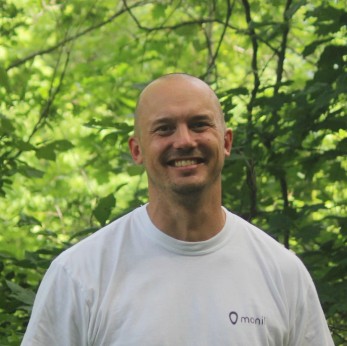
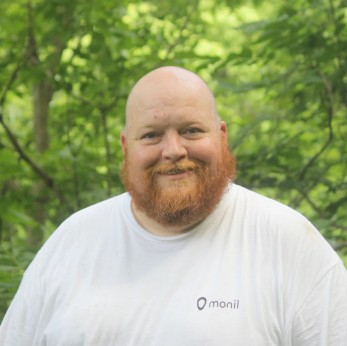


US Farmer Success
 Jerry LaVoiUS Farmer Success Manager
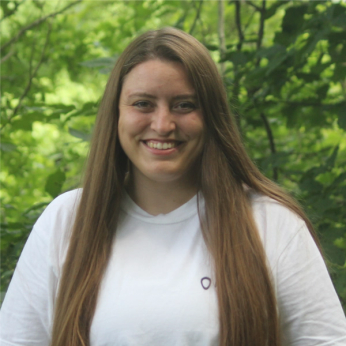 Elizabeth BergschneiderUS Farmer Success
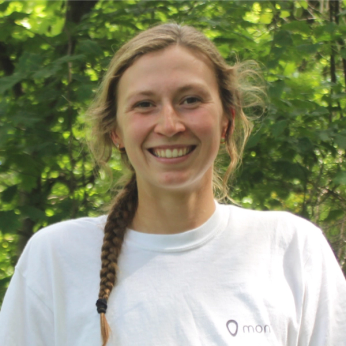 Olivia PachaUS Farmer Success
- Christoffer GrindheimProduct Manager
Marketing



Frequently Asked Questions
Every herd is different, but most cattle learn the audio cue within 3-7 days during the training period. Training starts inside a physical fence so cattle can safely learn the relationship between the sound and the grazing boundary.
The collar uses an audio cue first. If the animal continues moving beyond the boundary, a short electrical pulse follows. Over time, cattle typically learn to respond to the sound alone, with very few pulses needed.
Yes. The Monil app lets you see cattle locations, monitor activity, and receive alerts, helping you keep track of what is happening across the herd, even while away.
No. Monil uses existing cellular networks, so there are no towers or base stations to install before getting started. That means less setup and fewer things to manage.
The answer depends on the operation, but many producers are looking to reduce repetitive work like moving fence, checking boundaries, and making frequent pasture moves. For some, that means more time focused on herd health, pasture management, and planning the next move for the operation.
Physical fence still plays an important role around property lines, roads, and other high-risk areas. Virtual fencing adds flexibility inside those boundaries, making it easier to manage grazing areas and reduce internal fence work.
Building the future of grazing together.
Designed by engineers, built for producers.
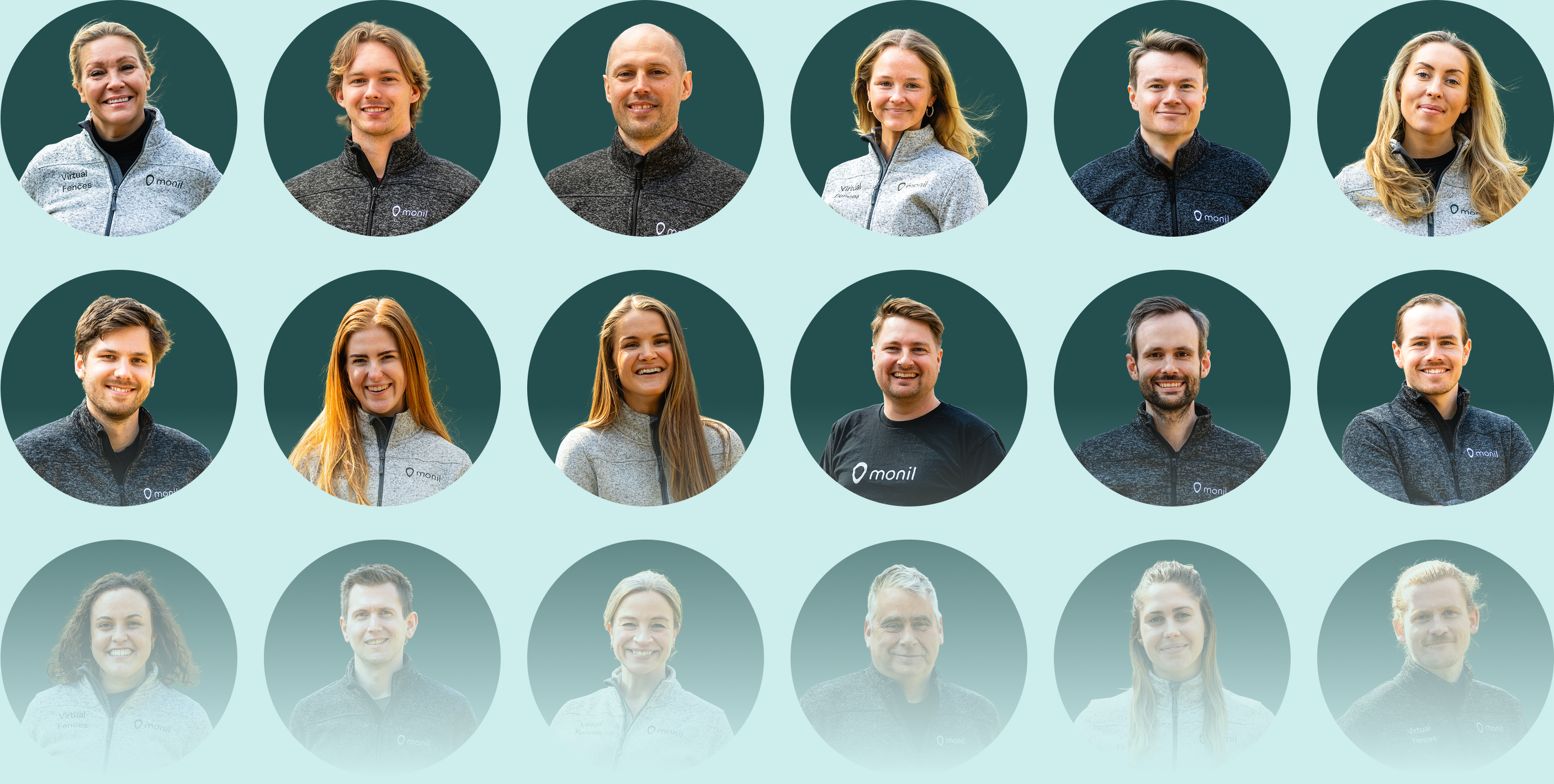
… and many more talented people across Norway, Sweden, the UK and the USA.
We're growing fast, and we're just getting started.